
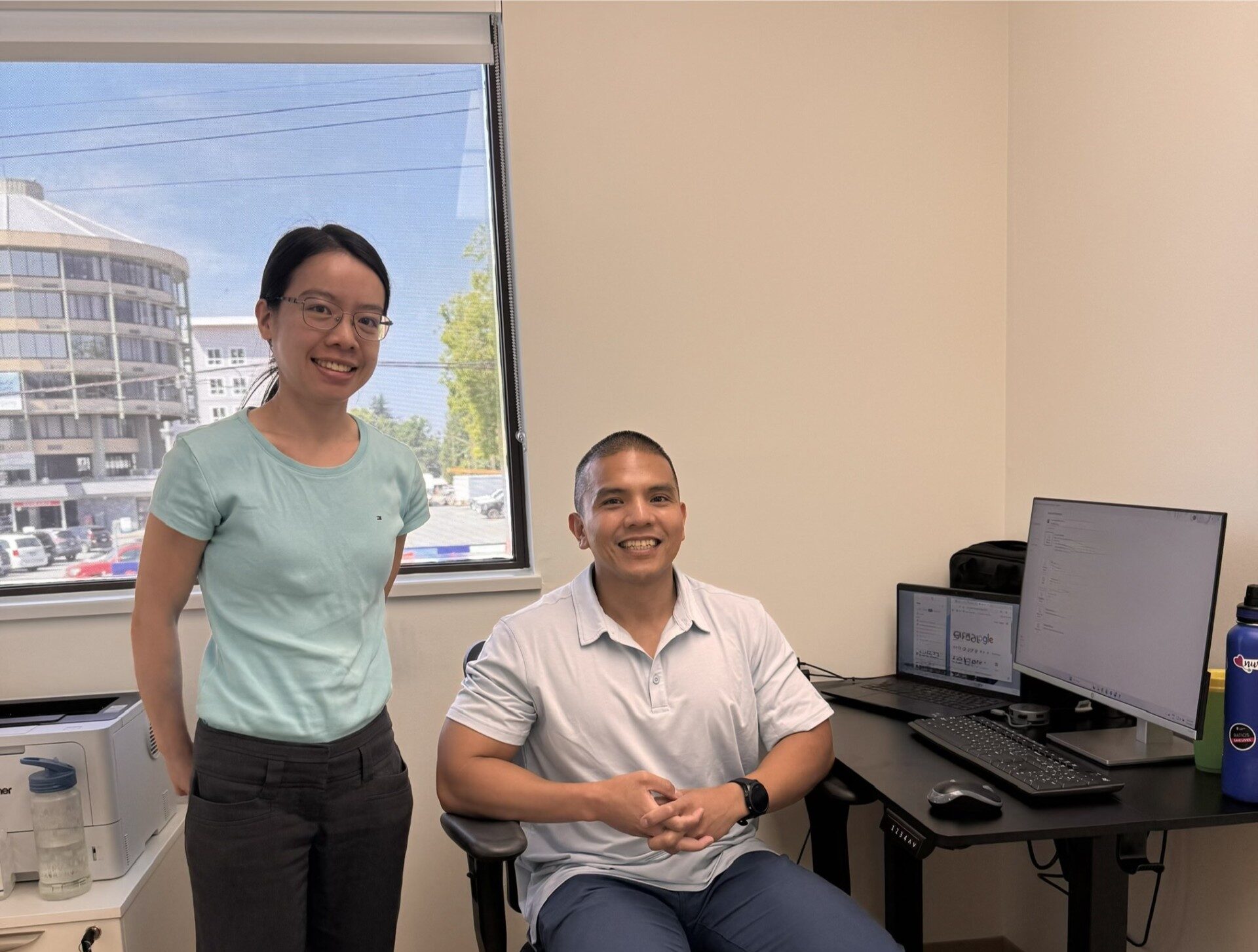
Jacqueline Ming and Kevin Cadiogan are working together to help patients manage their chronic conditions through physician referrals at the PCN Chronic Conditions Clinic in Abbotsford.
Interprofessional collaboration deepens chronic disease management
By Mari-Len De Guzman
Allied health providers (AHPs) from the Abbotsford Primary Care Network (PCN) are working in collaboration with patients with chronic conditions to demonstrate how interdisciplinary care can ultimately improve health outcomes.
With support from Dr. Ashish Grover, family physician and medical director at Lincoln Court Medical Centre, PCN clinical pharmacist Jacqueline Ming, and chronic conditions nurse Kevin Cadiogan have been working with a group of patients with ongoing chronic conditions to provide complementary patient care. Ming and Cadiogan both work at the PCN Chronic Conditions Clinic, located inside Lincoln Court Medical Centre.
Following referrals from Dr. Grover, Ming and Cadiogan embarked on a series of consultations with a select group of his patients to help optimize chronic disease management, reduce polypharmacy risks, and empower patients to take control of their long-term health.
The aim of this collaborative work was to demonstrate how AHPs can provide value to family physicians and nurse practitioners within a primary care setting. The clinical pharmacist and chronic conditions nurse were the ideal pairing for supporting patients with chronic conditions.
“Previously, while conducting medication reviews, I would spend a lot of time discussing the patient’s health condition(s), medications, as well as treatment plan, including non-drug measures,” shares Ming, commenting on how the collaborative workflow streamlines patient care.
“Some of those non-drug aspects could be addressed by Kevin, who can focus on specific education and non-drug measures, so we work in partnership to help patients meet specific health-care goals and to take some of that workload off of the primary care provider.”
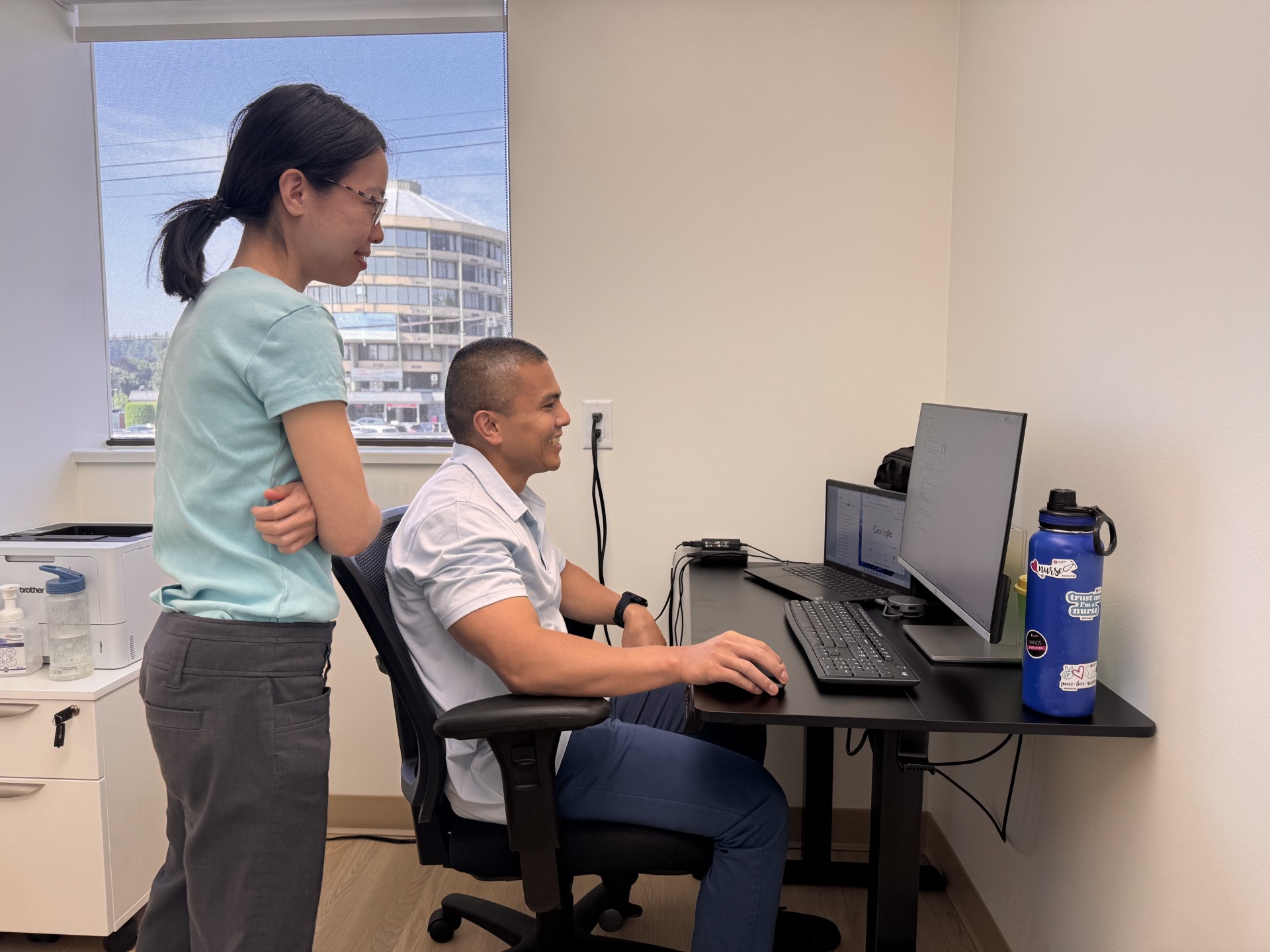
As a clinical pharmacist, Ming performs comprehensive medication reviews and assessments to help patients manage chronic conditions, address polypharmacy issues, and navigate medication cost barriers. Working in close collaboration with primary care providers and patients, she makes therapeutic recommendations and develops tailored care plans and optimize drug treatments.
As a chronic conditions nurse, Cadiogan focuses on lifestyle management by helping patients navigate non-drug interventions such as diet, physical activity, and stress management.
AHPs like Ming and Cadiogan serve as a partner for the clinical team to provide comprehensive, day-to-day support for chronic disease self-management. They can dive deeper into the daily care nuances that busy physicians often lack the time to cover with their patients.
“Family doctors or nurse practitioners use my services when they need to drill down more on a certain aspect of a patient’s care, but they don’t necessarily have time to explain all the nuances of the diet or exercise, for example,” explains Cadiogan.
As a chronic conditions nurse, Cadiogan says he can be a valuable resource to primary care providers when they want their patients to have more comprehensive support to help them manage their chronic diseases.
“They can use their referrals to me for anything that they need to support their patients’ care and education,” he notes.
The AHPs’ proximity to Lincoln Medical allows for better communication with the clinic’s physicians on the progress of patients who have been referred to them. They also accept central referrals and can provide services to patients at this location or virtually.
“There was a recent instance where a patient was complaining of dizziness,” recalls Cadiogan. “Jacqueline was able to identify right away that a specific medication was likely causing the issue and limiting the patient’s physical activity. We were able to address it together on the spot.”
This opportunity for real-time collaboration, not just between the AHPs but also with the physician, can have immediate benefits for patient safety.
“Being situated in the clinic makes a huge difference,” adds Ming. “Instead of sending a fax and waiting, we can directly discuss clinical issues with the primary care provider and make adjustments right away.”
While the initiative initially focused on piloting co-management with a selected group of patients, Ming and Cadiogan are eager to expand this intentional collaboration across the PCN community.
“We want primary care providers to know that we are here as a resource to support patient care,” says Ming. “Whether it’s conducting a polypharmacy review, diving into lifestyle modifications, or setting up ongoing chronic care education, we’re ready to work with local clinics.”