
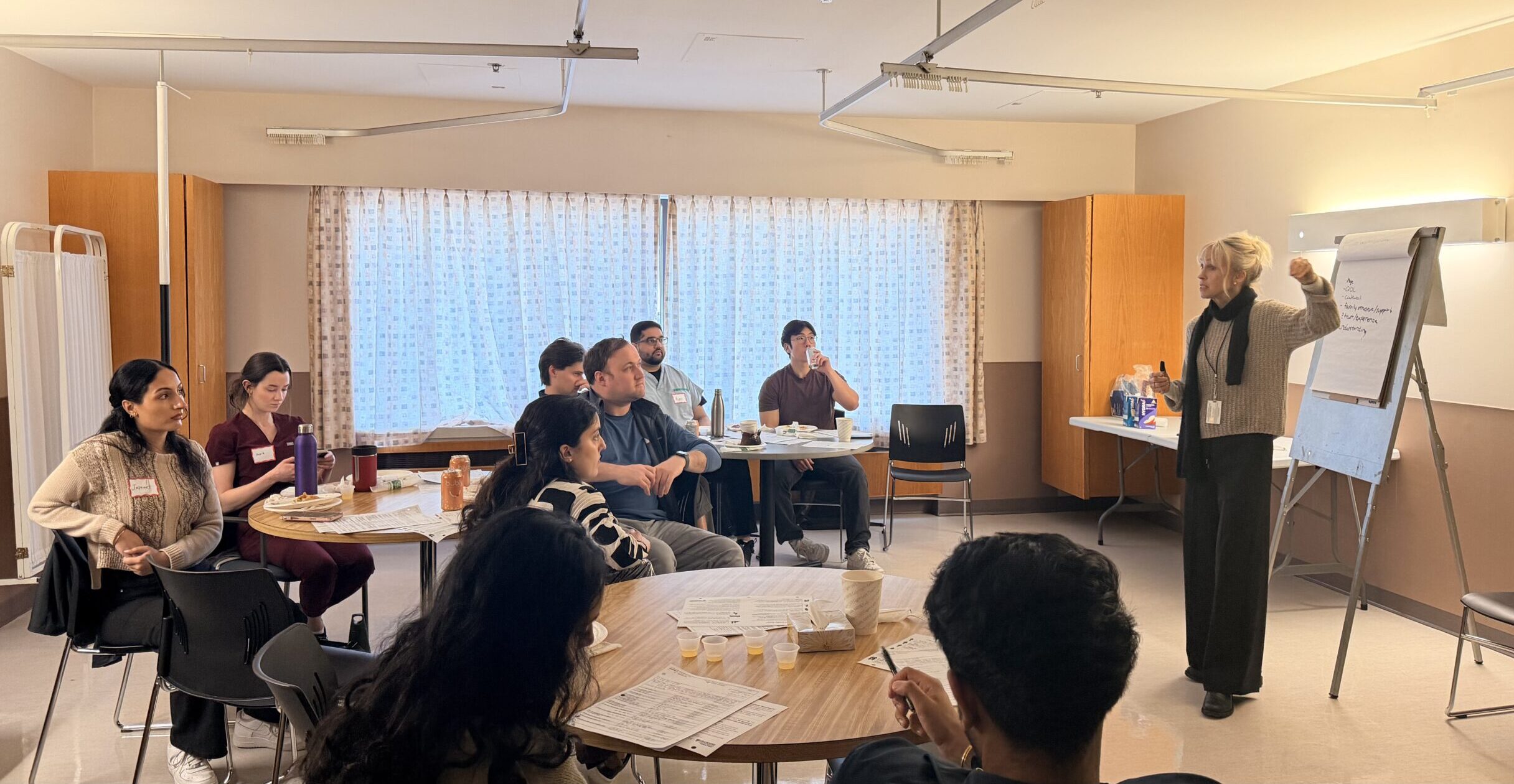
Pawlovich (right) led a half-day education event for UBC resident doctors at Cottage Worthington in Abbotsford last March, giving participants a first-hand look at LTC practice. (Photo by Diana Bae)
Dr. Sarah Pawlovich reflects on leadership and legacy
By Mari-Len De Guzman
As Canada’s population continues to age, the conversation around elder care often carries a heavy weight of obligation, guilt and fear. Abbotsford long-term-care (LTC) physician Dr. Sarah Pawlovich believes changing this narrative and the associated misconceptions would help normalize residential care for seniors to thrive in supportive environments.
“I think it’s unhelpful for seniors to say to their children, ‘Never put me in long-term care,’ because that puts so much pressure on their kids and they remember that. So, I try to normalize it by reminding family members that we have a team of amazing people who can provide round-the-clock care for their parent or loved one,” said Pawlovich.
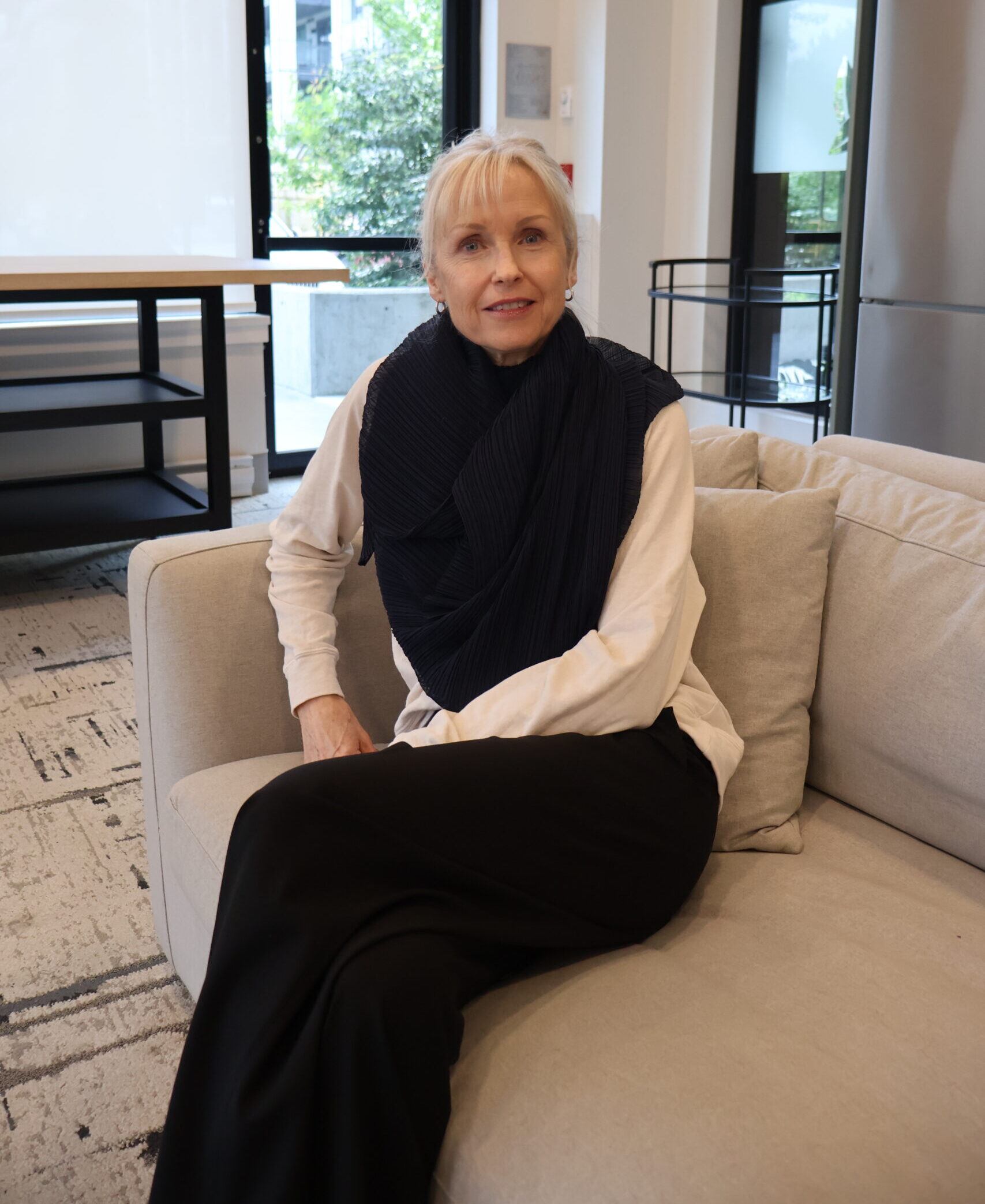
Pawlovich first came into LTC practice almost by chance 11 years ago. She moved to Abbotsford in 2011 following a 20-year practice in Northern B.C. In 2015, she saw a call-out in the Abbotsford Division of Family Practice newsletter for doctors interested in LTC. At the time, she wasn’t specifically pursuing long-term care but was trying to explore her options.
She responded to the call-out and had a meeting with Dr. Alf Chafe. Though Chafe has since passed away, his mentorship left a lasting impact on Pawlovich.
“I just really grew to love the work,” she said. “We’re helping families and residents come to terms with end-of-life. And what a valuable, important thing to do.”
For the last three years, she has been the physician lead for the Abbotsford Long-term Care Initiative (LTCI) caring for residents at four LTC sites across the city, including at Cottage and Worthington Pavilion.
Supported by the Abbotsford Division of Family Practice, in partnership with Fraser Health and the Family Practice Services Committee, LTCI delivers coordinated, high-quality team-based care for 995 residents across 11 LTC homes in Abbotsford. With more than 30 physicians participating, the program provides 24/7 physician coverage through a community-wide on-call system, which ensures residents have access to urgent medical support any time of day or night.
Reframing the narrative
Clearing misconceptions about LTC, especially to family members, has been one of the challenges physicians encounter in elderly care. Pawlovich said dispelling inaccurate perceptions involves showing families how the resident care teams operate.
During facility tours, she encourages families to observe the support system to understand the level of care their loved one will receive.
“I have them look around at all the staff that we have that support their mother, for example. We let them know we have shifts of people, where (staff) only work eight hours and then they go home to rest and rejuvenate, and they come back to work refreshed to look after the residents,” she explained.
In contrast, when family members delay or avoid LTC for their frail loved ones, it can take a significant toll on their own well-being and the quality of their relationship. They end up providing 24-hour care for weeks, months or even years, reaching a point of total exhaustion, Pawlovich noted.
“They become a caregiver rather than a spouse or a daughter or a son or a husband or a wife,” she explained.
By trying to sustain a level of care that typically requires a full team of professionals, the family can lose the ability to simply enjoy their loved one’s company.
Once families trust the facility to handle the medical and physical needs of their relative, they are liberated from the “burden of worry,” Pawlovich said. This transition allows them to reclaim their original roles, moving away from being weary caregivers to being present and loving family members.
A valuable opportunity
Amid an aging Abbotsford population, attracting new and young doctors to the field remains a priority for the LTCI.
Pawlovich believes the key to recruitment is early exposure. She points out all medical residents would benefit from spending time in seniors’ care settings, whether in the community, the hospital or at LTC facilities.
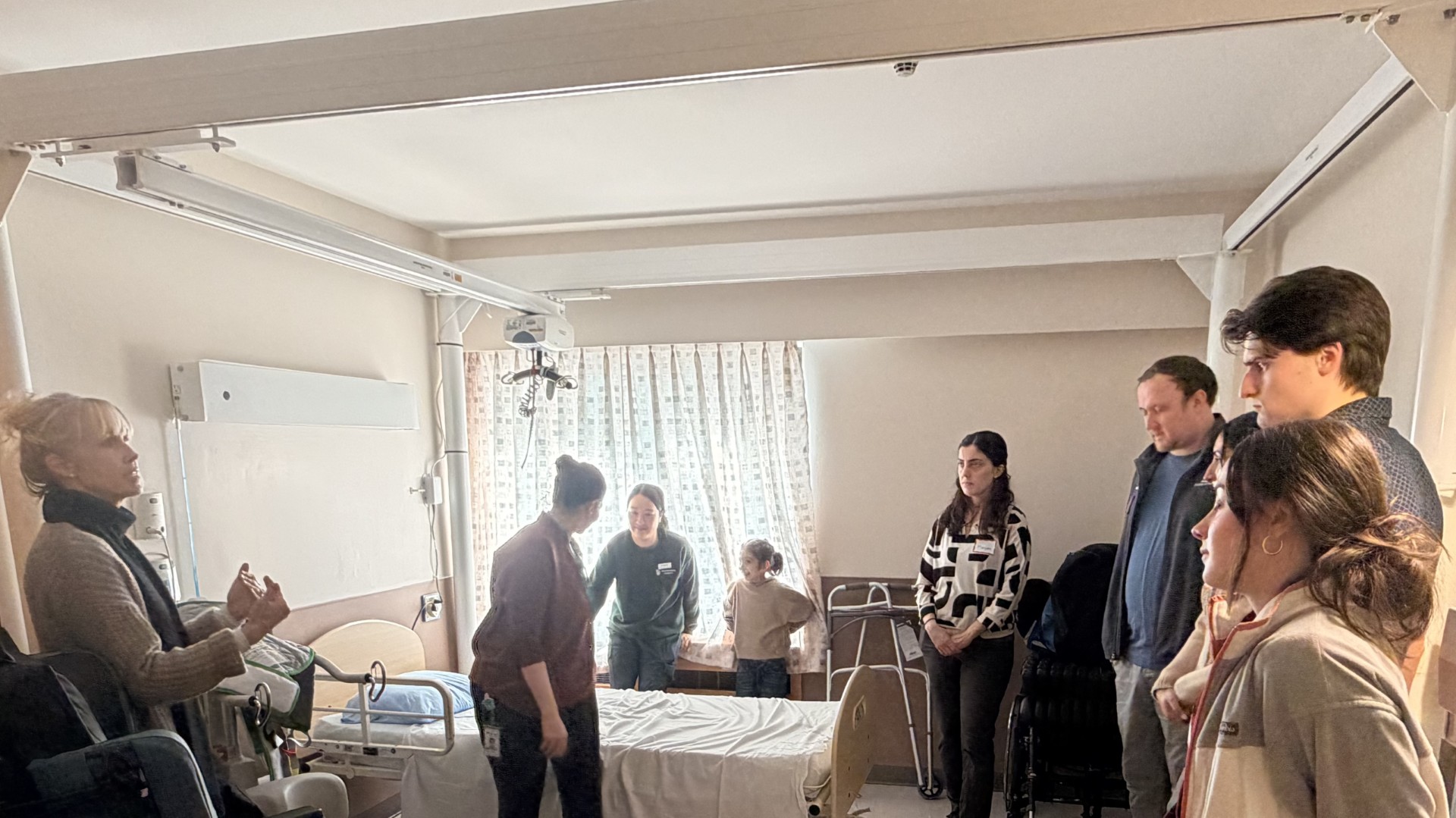
Earlier this year, Pawlovich led a group of resident doctors from UBC during a half-day education event offering the young physicians a window into LTC practice. The event was supported by the Abbotsford Division and held at Cottage Worthington, one of Abbotsford’s long-term-care facilities.
“No matter what area of medicine you do, you are going to be looking after seniors,” she said, noting the importance of exposing more resident doctors to LTC practice.
As all doctors will face the inevitability of treating an aging patient community, Pawlovich stressed LTC requires a specific skill set that may differ from traditional medicine.
While much of the medical training focuses on “fixing” health problems, she noted treating an older patient often requires a more nuanced approach.
“There comes a time when you’ll really need to pull back on (aggressive treatments),” she said, adding that it can sometimes be harmful to a frail senior
Learning these different approaches can help younger doctors discover the profound fulfillment that comes from making a difference in the final chapter of a person’s life.
For Pawlovich, the work is a valuable opportunity to help residents and their families navigate end-of-life with dignity and support.
Kindness wins
This spring, Pawlovich has stepped back from her leadership duties with the LTCI, but her work in long-term care continues.
When reflecting on the legacy she hopes to leave behind, Pawlovich’s focus is not on the administrative systems she helped build, but on the human connections she fostered. For her, the true measure of a medical career is based on the depth of the relationships she developed with residents, their families, and the entire care team.
“I would want to be remembered as somebody that really cares about the people that I care for, and that includes staff,” she shared.
She recognizes that while a physician cannot always stop a patient from getting sick, they can always help alleviate suffering through compassion.
“Just being kind and caring; if anyone would say that about me at the end of my career, I think I had done a good job. That is what medicine is to me.”